
Colour Consultation & Materials Advice
Choosing colours for your home should be enjoyable, but I know how easily it can become frustrating.
You find a colour you love, bring home a sample and discover it looks completely different on your wall. Then you try another shade, and another, until you’ve got several samples that all look surprisingly similar and you’re no closer to making a decision.
Sometimes the problem isn’t finding a colour you like. It’s working out whether that colour will suit the room, the furniture and everything else you want to keep.
That’s where a colour consultation can help.
I offer practical advice on choosing paint colours, finishes and materials, helping you bring your ideas together and make decisions you’re comfortable with.
My Colour & Materials Consultation service costs £50 per hour.
Enquire About a Colour Consultation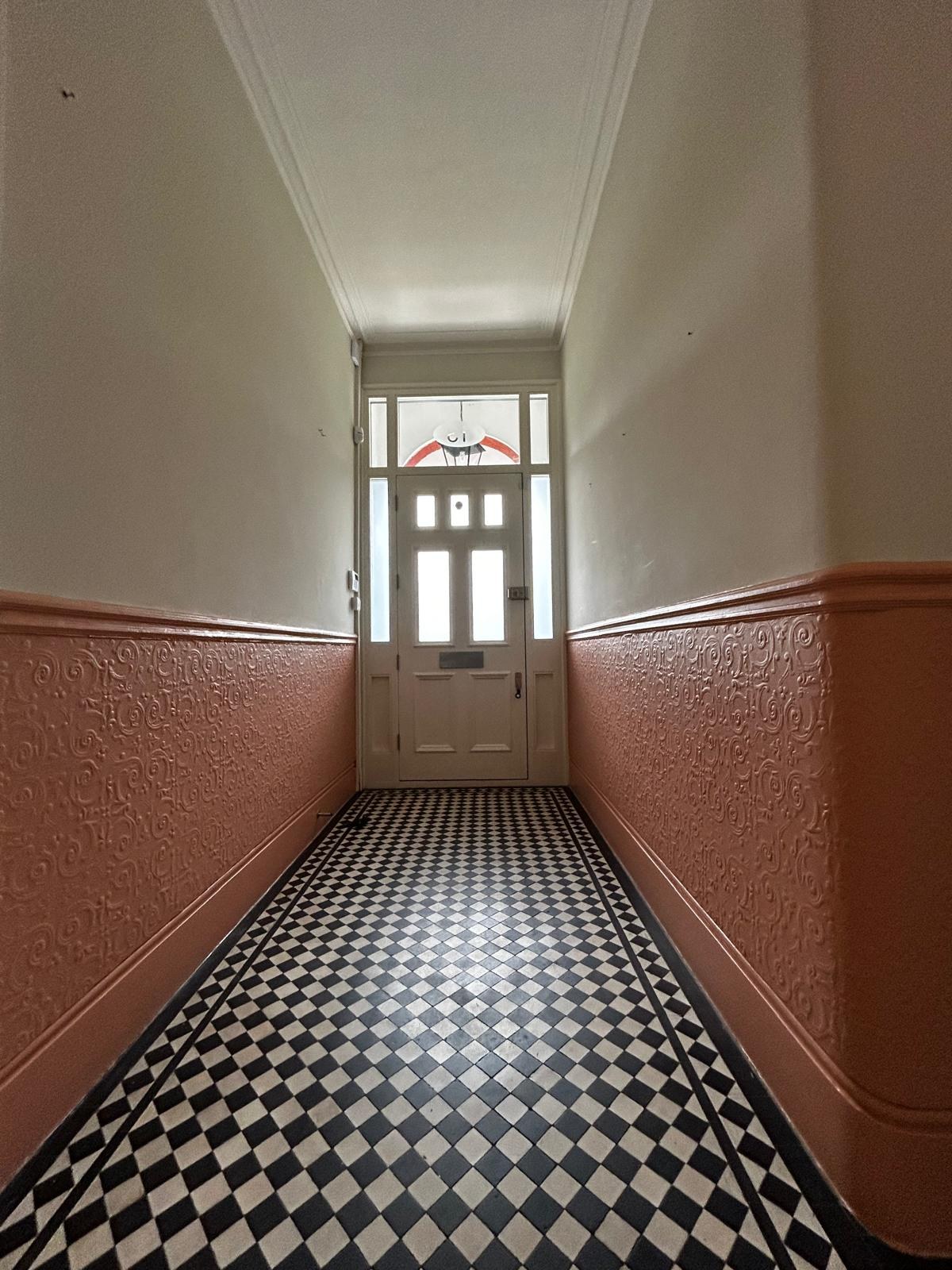
When You Like Several Colours but Can’t Decide
Perhaps you’ve narrowed your choices down to three shades of green, but every time you look at them, you change your mind.
Or you’ve found a beautiful warm neutral that looks perfect in photographs, but you’re not convinced it works with your flooring.
These are common decorating decisions, and I think they’re worth getting right before you commit to painting an entire room.
I can help you compare the colours you’re considering and look at them in relation to the room itself.
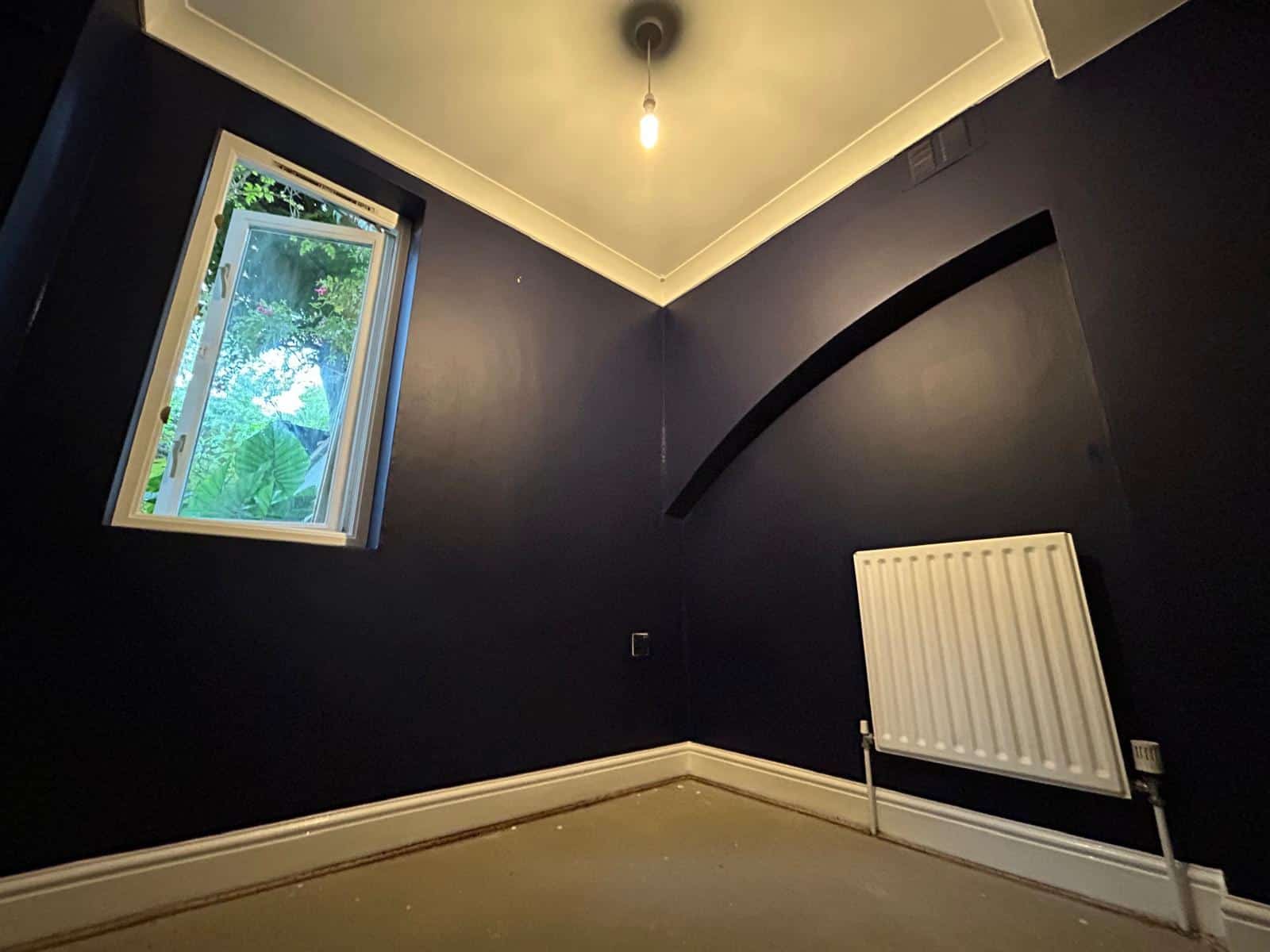
A colour doesn’t exist on its own. The light coming through the windows, the furniture, the flooring and even the colours in adjoining rooms can all influence how it looks.
Sometimes you may discover that the colour you originally preferred isn’t quite right. Other times, you might simply need reassurance that the combination you’ve chosen works well.
The aim isn’t to make every room fashionable or persuade you to use colours you wouldn’t normally choose. It’s to find something you genuinely like that also works with your home.
Working With What You Already Have
Most decorating projects don’t begin with an entirely empty room.
You probably have furniture you want to keep, flooring that’s staying where it is and perhaps curtains, tiles or worktops that need to be considered.
I think these existing features are a useful starting point.
If you have warm wooden floors, for example, they may affect how particular wall colours appear. A cool grey that looked lovely in a photograph might not work in quite the same way once it’s next to the wood.
The same applies to kitchens, where the cabinet colour needs to work with the existing worktops, splashbacks and flooring.
You don’t necessarily need to replace anything to create a more pleasing combination. Sometimes changing the wall colour, painting existing woodwork or introducing a different finish can make the things you already own feel more connected.
Rather than starting with a completely new scheme, we can look at what’s already working and where a change might make the biggest difference.
It’s Not Just About Paint Colours
Colour is only part of the decorating decision.
The finish and texture of a material can also affect how a room looks and feels.
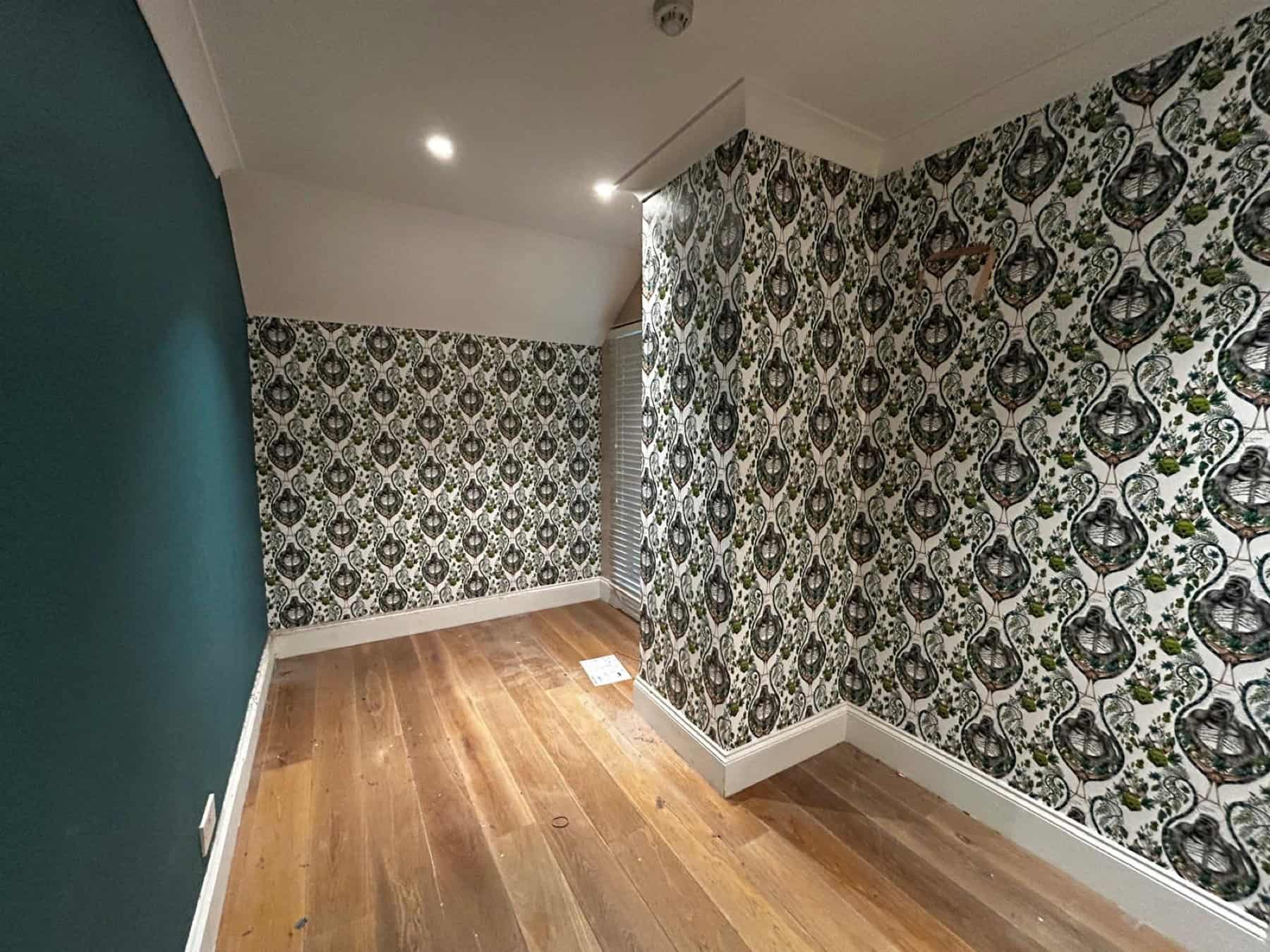
For example, two paints in similar shades can create quite different effects depending on their sheen. Wallpaper may introduce a pattern or texture that changes the character of a wall, while painted woodwork can provide either contrast or a more unified appearance.
If you’re thinking about combining wallpaper with painted walls, choosing colours that complement the wallpaper can make the whole scheme feel more considered.
Materials can be particularly interesting when you’re decorating several elements of a room. Flooring, fabrics, painted surfaces and decorative finishes all contribute to the overall result.
I can help you consider how these elements work together, rather than making each decision separately.
That doesn’t mean every colour or material has to match. Often, a little contrast is exactly what a room needs.
Looking at Colour in Your Own Room
One of the things I always recommend is judging colours in the room where they’ll actually be used.
A colour chart is a useful starting point, but it’s a very small representation of how a colour might look across an entire wall.
The amount of natural light can make a considerable difference. A room that gets plenty of sunlight may show a colour quite differently from one that receives very little direct light.
Colours can also change in appearance between morning and evening, particularly once artificial lighting is involved.
That’s why I think it’s sensible to consider suitable paint samples and look at them under different lighting conditions before making a final decision.
I can help you narrow down the choices, but I wouldn’t want you to commit to a colour simply because it looked attractive on a computer screen.
It’s your home, and you should feel comfortable with what you’ve chosen.
A Colour Scheme That Works Together
Sometimes you’re decorating just one room. Other times, you’re considering several rooms and wondering how to make the colours work together.
They certainly don’t all have to be the same.
You might want a calm bedroom, a colourful living room and a hallway that feels welcoming without competing with either of them.
What can help is thinking about the relationship between those spaces, particularly where rooms are connected or visible from one another.
I can help you consider which colours might work alongside each other and where you could introduce something different.
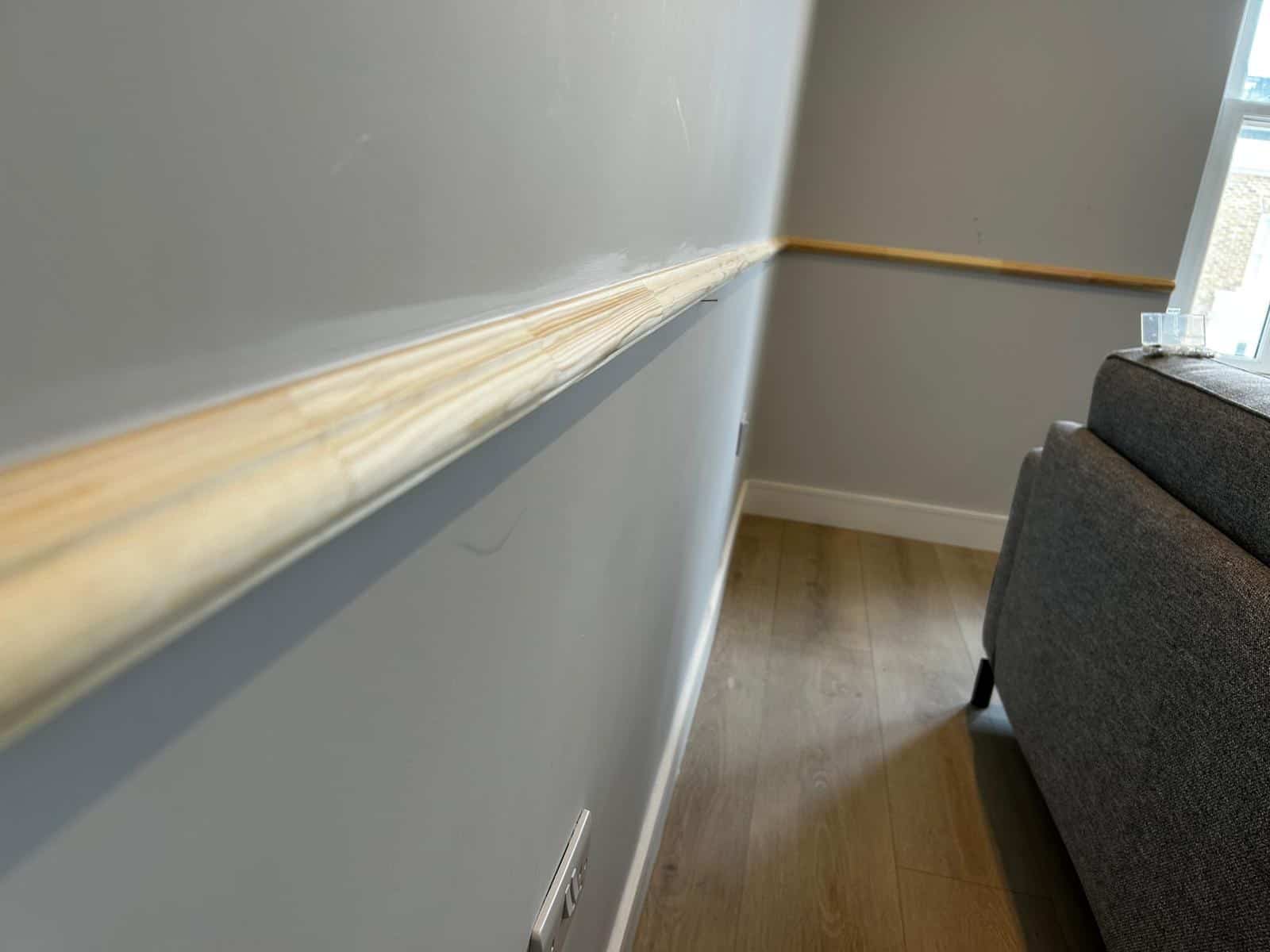
We can also look at whether existing woodwork, doors or fitted furniture should remain in a contrasting colour or become part of the wider scheme.
The aim is to find a direction that feels comfortable for your home rather than following a fixed set of decorating rules.
How My Colour Consultation Works
You don’t need to have everything worked out before contacting me.
Some people already have a collection of paint samples, photographs and ideas. Others know only that they want a change but aren’t sure where to begin.
Either is a perfectly reasonable starting point.
It helps if you can explain which rooms or areas you’re considering, what you’d like to change and whether there are particular colours or materials you want to use.
Photographs of the existing room are useful, particularly when they show the flooring, furniture and other features that are staying.
We can then establish what you’d like help with and how much time is likely to be appropriate.
My consultation fee is £50 per hour.
This covers the time spent providing colour and materials advice. Any subsequent painting, wallpaper installation or other decorating work would be discussed and quoted separately.
The arrangements for the consultation can be agreed when you enquire.
Colour Consultation FAQs
How many different colours should I use in one room?
There’s no fixed rule about how many colours you should use. It depends on the size of the room, the atmosphere you’re trying to create and what furniture and furnishings you already have.
I often think it’s easier to start with one main colour, introduce a second colour that works alongside it, then use smaller accents if you want a little more interest. That doesn’t mean everything has to match perfectly.
A room with several colours can feel beautifully balanced, while another with just two can look rather busy. It’s more about how the colours relate to each other than the number you choose.
Should skirting boards and doors be painted the same colour as the walls?
They certainly can be, and it’s an approach that can look lovely, particularly if you want a room to feel more unified.
Traditionally, people often choose white woodwork against coloured walls, which creates a clear contrast and draws attention to doors, skirting boards and other architectural details.
Painting the woodwork in the same colour as the walls creates a different effect. The boundaries between surfaces become less noticeable, which can give a room a softer, more continuous appearance.
Personally, I think both approaches have their place. It depends on whether you want the woodwork to stand out or become part of the overall colour scheme.
Should I choose my flooring or wall colour first?
If you’re changing both, I’d usually suggest choosing the flooring first. Flooring is generally a bigger investment and something you’re likely to keep for longer than a particular wall colour.
It also covers a large area, so its colour and undertones can have quite an influence on the rest of the room.
For example, flooring with warm golden tones may look quite different alongside a cool grey than it does with a warmer neutral.
Once you’ve chosen the flooring, you can look at wall colours that complement it. If the flooring is staying, then of course that becomes one of the starting points for choosing your paint.
Can I mix warm and cool colours in the same room?
Yes, absolutely. In fact, combining warm and cool colours can make a room feel more interesting.
You might have a cool blue or green on the walls, for example, with warmer tones coming from wooden furniture, fabrics or flooring. The contrast can work very well.
The important thing is to consider the balance between them. If every colour is competing for attention, the room can start to feel disconnected.
I like to look at the colours together, including the materials and furnishings that are already in the room. Sometimes a small amount of a warmer or cooler shade is enough to bring the whole scheme together.
Let’s Find the Right Direction for Your Home
If you’ve been collecting colour samples, saving photographs or wondering whether a particular combination will work, I’d be happy to help you think it through.
You don’t need to make every decision before getting in touch.
Tell me which room or rooms you’re considering, what you’ve got in mind and where you’re finding it difficult to decide.
We can start from there.
Enquire About a Colour Consultation